



















Segment: Compliance Assurance

In this episode of the Ask the Expert video series, Susan J. Schniepp, distinguished fellow at Regulatory Compliance Associates, and Siegfried Schmitt, vice president, Technical at Parexel, discuss the new chapter, Chapter <86> Bacterial Endotoxins Test Using Recombinant Reagents.
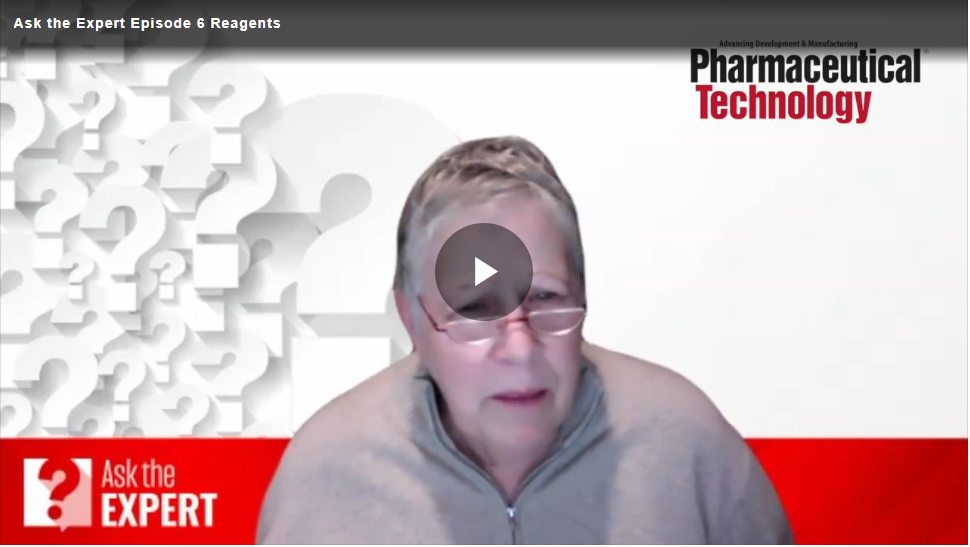
 

Link to the Video and Article on Pharmaceutical Technology


In this episode of the Ask the Expert video series, Susan J. Schniepp, distinguished fellow at Regulatory Compliance Associates, and Siegfried Schmitt, vice president, Technical at Parexel, discuss the new chapter, Chapter <86> Bacterial Endotoxins Test Using Recombinant Reagents, published by the United States Pharmacopeia–National Formulary November 2024. The chapter permits the use of non-animal-derived reagents for endotoxin testing and is part of USP’s commitment to expanding the use of animal-free methods and materials (1).


“Twenty years ago, the predominant test procedure for determining endotoxin level, or pyrogen level, as we called it, was the rabbit test. And we used to actually inject rabbits, which was a very subjective because you’d measure their temperature,” says Schniepp. And then we evolved to using the limulus amoebocyte lysate or LAL test, and there was the chromogenic [test] but they were all predicated off the horseshoe crab. So now we’re moving forward to reagents for this test, which is critical to the release of sterile injectables that does not involve animals. So absolutely, we should consider this.”


“I think it is also worthwhile mentioning that what is happening in the US is mirrored in other jurisdictions, for example, when you look at the European Medicines Agency [EMA], they support the use of animal free cell culture reagents as part of its efforts to reduce animal use in medicine testing,” adds Schmitt. “We don’t want to use rabbits. We don’t want to use horseshoe crabs, and it’s EMA’s innovation task force that encourages that use of alternative methods to animal models, and that, what they say is, will improve the scientific quality and also, of course, animal welfare.”


Click the video above to watch Sue and Siegfried answer the following question:

“USP just published a new chapter on the use of non-animal derived reagents. We are not currently using non-animal derived reagents. Is this something we should consider changing?”


Reference

1. USP. Chapter for Endotoxin Testing Using Non-Animal Derived Reagents Published for Early Adoption. Press Release. Nov. 1, 2024.


Important terms and acronyms

USP—United States Pharmacopeia


To begin the Regulatory Compliance Associates scoping process today, please enter your information in the blue form below and click the submit button at the bottom of the webpage. You may also email us at [email protected].

 

Asking why things are done a certain way will help make an accurate assessment of an organization’s EM program, says Susan Schniepp, distinguished fellow at Regulatory Compliance Associates, and Zachary S. Anderson, global market segment lead—Sterility Assurance, Nelson Laboratories.


Q: I am evaluating a new contract development and manufacturing organization (CDMO) to manufacture some of our injectable products. Can you advise on some of the elements of their environmental monitoring (EM) program I should review, so I can ascertain its suitability?


A: Evaluating the suitability of an environmental monitoring program can be complicated. The evaluator needs to understand the multi-layered elements required for the successful and sustainable management of the EM program. Fundamentally, it is important to be familiar with the regulations that govern the manufacture of injectable products. FDA and the European Medicines Agency (EMA) have regulations that outline these expectations (1,2).


What is Contamination Control?


The revised Annex 1 guideline introduces the concept of contamination control strategy (CCS) by stating. “A contamination control strategy should be implemented across the facility to define all critical control points and assess the effectiveness of all the controls (design, procedural, technical, and organizational) and monitoring measures employed to manage risks to medicinal product quality and safety. The combined strategy of the CCS should establish robust assurance of contamination prevention” (2).


Why Review the Quality System?


The guideline also states, “The contamination control strategy should consider ongoing and periodic review resulting in updates within the pharmaceutical quality system as appropriate. Changes to the systems in place should be assessed for any impact on the CCS before and after implementation” (2). The 2004 FDA guidance states, “Any manual or mechanical manipulation of the sterilized drug, components, containers, or closures prior to or during aseptic assembly poses the risk of contamination and thus necessitates careful control” (1).


How does an FDA Inspection Work?


One of the first steps in the assessment would be to evaluate the manufacturer’s CCS based on the expectations outlined in the regulations. Using the CCS as a guide, the assessor can then focus on specific elements of the EM program as well as how the program is embedded into the quality management system (QMS). The following are questions to ask to help in the evaluation:


  • QMS: Is the EM program effectively integrated into the QMS, including corrective action and preventive action (CAPA) program that drives to root cause?
  • Technical expertise: Has the company hired experienced personnel and demonstrated maintenance of expertise? What are the ongoing training requirements for personnel in Quality Assurance, the laboratory and on the manufacturing floor? Are gowning requirements for all personnel who enter the manufacturing area documented? Are the re-qualification requirements for gowning clearly defined? Is the out-of-specification procedure understood and followed? Are employees trained on data recording and integrity? Does the program drive the recording of the appropriate level of detail?
  • Process controls. Are process controls for particulates and microbiological organisms robust enough to detect and manage changes in practice or gaps in process (e.g., data lags, emerging issues/environment degradation, product quality shifts, etc.)?


There are many more questions that should be asked to ascertain the suitability of an environmental monitoring program than listed above. The optimal way to approach such an evaluation is to become familiar with the regulations, review the company’s CCS program and drill down into specific areas of the program by asking targeted questions. Inevitably, you will encounter variations and “gray-area” interpretations. An astute evaluator will ensure variations are acknowledged (documented) and interpretations are justified in writing. Asking why things are done a certain way will help make an accurate assessment of an organizations EM program and help determine whether it suits your requirements.


Article details

RCA


Pharmaceutical Technology®
Vol. 48, No. 6
Page: 34


To begin the Regulatory Compliance Associates scoping process today, please enter your information in the blue form below and click the submit button at the bottom of the webpage. You may also email us at [email protected].

crisis management playbookDeveloping a crisis management playbook designed for the challenges of the pharmaceutical industry sector is vital to ensuring long term business continuity. Below are a few critical risk management elements you should consider for your team during crisis handling & developing a crisis management playbook.


Risk Management


Being able to identify factors that impacted product safety or regulatory compliance is one of the most important elements during the risk assessment phase. During RCA’s risk management services process, operational risk management is one of the first remediation steps to consider.


Identify Risk


Being able to identify the product hazards that caused the crisis is critical to understand scenario planning. Conduct due diligence to ensure that your product design outputs include no risks that are unnecessary to the consumer. Hazards that do include one or more risk factors must be analyzed why the patient benefit exceeds the financial risk.


Measure Risk


During scenario planning, identify the critical elements to measure your team and results by via a risk management framework. A risk profile for each product in question can support evaluating, reporting and monitoring adverse events. Systemic risk should be analyzed for product risk profiles with longer term, reoccurring events or specific pharmacovigilance indicators identified as proactive crisis control.


Mitigate Risk


Being able to work clearly and concisely with your regulatory agency is critical for the due diligence solutions presented for review. Examining all hazards that have been identified during the risk mitigation phase is essential to success during the risk management process. Consider any of the threats that are regarded as acceptable with known risks and document unusual activity in your risk management plan.


Crisis Management Communications


An initial step recommended by RCA’s medical device consulting team is to identify and evaluate the regulatory compliance dangers and situations. For example, assessing the vulnerability of medical device cybersecurity must consider internal and external threat modeling. Any type of cyber breach that might impact your operations team, business reputation, or stakeholder relationships should have a detailed communication strategy.


Crisis Communication Plans


A veteran RCA medical device consultant suggests developing a universal shared space where team members can bookmark & access the crisis comms document. A communication strategy would then be shared with communication partners engaged in the public relations and crisis management campaign.


Risk Management Communications


Inside a successful crisis communication team, everyone knows their role and responsibilities. RCA’s regulatory consulting Experts often designate a process leader who clearly understands the team stakeholders and functions they represent. Refine your approval process so that messaging not only meets external approved communications from these stakeholders, but also legal concerns.


Crisis Control


A detailed risk management communication plan helps specify different examples for sharing risk messaging to either internal audiences or external stakeholders. Design your communication plan templates so that information is easy to understand for multiple audiences. Different types of tactics to be considered for templates (e.g. press release, social media) to confirm the messaging reliability of the crisis communication strategy.


To begin the Regulatory Compliance Associates scoping process today, please enter your information in the blue form below and click the submit button at the bottom of the webpage. You may also email us at [email protected].

GMP inspectionHealth Canada, Therapeutic Goods Administration (TGA), and Medicines & Healthcare Regulatory Agency (MHRA) recently launched an innovative, new pilot focused on Good Manufacturing Practices (GMP). The Single Inspection Program is designed to help rationalize the number of inspections needed to increase efficiency during the regulatory process.

 

A primary objective is to maintain regulatory standards by eliminating redundancies and providing a more “global approach to GMP inspections of third-country manufacturers”. Additionally, the program design is intended to increase existing collaborative GMP arrangements to allow for:


  • More efficient inspection reliance processes
  • Reduced regulatory burden on healthcare industry
  • Enhanced regulatory oversight of global supply chains


Regulatory Authorities


In a proactive step toward harmonization, the three regulatory bodies will begin accepting a single inspection for a Canadian, Australian and British regulatory application (based on the drug establishment license, or DEL). The long-term strategy includes leveraging the inspection assets of each regulatory authority to collectively collaborate when additional data is available.


Additionally, by maximizing the global regulatory reach of multiple agencies, the pharmaceutical industry will benefit from fewer inspections needed at the same site or manufacturing facility. This should increase both the speed of the regulatory process and patient access to medical products. Both are a win-win for the life science industry as the regulatory process becomes more streamlined than previously experienced.


GMP Practices


All three regulatory bodies are members of the Pharmaceutical Inspection Co-operation Scheme (PIC/S). PIC/S is an international, non-binding cooperative between Regulatory Authorities in the field of Good Manufacturing Practice (GMP). Additionally, PIC/S membership is focused on companies that develop medicinal products for human or veterinary use, and over 50 countries from around the world currently participate. 


Finally, the mission of the current membership is to lead the “development, implementation, and maintenance of harmonized GMP standards and quality systems”. A more efficient inspection process will allow drug manufacturers to reduce any type of disruption to operations that multiple audits may induce. 


To begin the Regulatory Compliance Associates scoping process today, please enter your information in the blue form below and click the submit button at the bottom of the webpage. You may also email us at [email protected].

Since the Pandemic became global in 2020, the FDA has been requesting documents from firms in advance of or in lieu of an inspection. This authority comes from the Federal Food, Drug, and Cosmetic Act (FD&C Act) in Section 704(a)(4). However, while they have not adopted doing FDA inspections remotely instead of an onsite inspection, they have stated publicly they are considering the possibility, and virtual audits have become very common. 


FDA is still conducting onsite inspections and has submitted for new employee headcount in 2022 to reduce the existing backlog. Each inspection is carefully considered on a case-by-case basis where there is an imminent public health need. Factors such as risk to the FDA investigator and site personnel are also considered when determining if a virtual audit is appropriate.


Onsite inspections could be the standard inspection with the investigators staying in the facility the entire time or it could be a hybrid approach where the investigators spend some time in the facility and other time doing remote FDA reviews and conducting video interviews.


2022 will bring a new wave of inspections to the medical device and pharmaceutical industry. So how can you prepare in advance? And what does good look like from a virtual inspection process? Below are some thoughts for your team to consider.


Ready to Conduct a Mock Virtual Audit? Contact Us Now →


How Does an FDA Inspection Work?


FDA registrations simply don’t end and some health authorities outside the US have already done remote FDA inspections (e.g. the EMA). However, while the FDA has not done a true remote inspection, they have done many hybrid inspections.


What does an FDA inspection mean?


With the FDA format, regulatory authority tools include video chat for activities inside the interview room. They also use technology like secure shared online folders for offsite document review. Companies prepared to manage FDA inspections under this new method stand the best chance of success after an inspection to have fewer FDA 483 observations in general.


The FDA could start with a records request and then come onsite, or vice versa. Remember, if it is a true inspection the FDA must provide the most senior ranking person at the site a Notice of Inspection, Form FDA 482, at the very start of the inspection. If the Form 482 isn’t issued, then it is likely a records request utilizing their Section 704(a)(4) authorities.


FDA inspection


FDA record requests should follow the process and guidance outlined in their internal Staff Manual Guide, SMG 9004.1 Policy and Procedures for Requesting Records In Advance of or In Lieu of a Drug Inspection. Think of the SMG as an internal procedure for the FDA. If you are curious you can find it at this link: Staff Manual Guide 9004.1 (fda.gov)


Bottom line, if the FDA’s request comes through a call or email then it is not an inspection. It is a records request and should follow the procedures in SMG 9004.1. If they show up onsite, present a Form 482, then it is an inspection. Then the inspection could stay all onsite or it could be a hybrid approach, as noted above.  


Planning for an FDA Inspection


With the current pandemic, FDA has been providing a little advanced notice of the inspection, usually a few days to a week. The notice is directed less at giving companies time to prepare and instead intended to ensure the required personnel, who may be working offsite, are available. But prior planning precludes poor performance, so prepare well beforehand to manage a hybrid virtual inspection.


Some recommendations for inspection prep and readiness are as follows:


  • Determine who in the company will host the FDA inspection. Whether it’s onsite or virtual or hybrid you’ll want to designate a host. This distinction lets you train someone for the role, which helps streamline the process and eliminates last-minute challenges
  • Who will be the scribe and how will they take notes and communicate with the site team?
  • Determine who will step in as the back-up host and scribe in case the primaries are out sick.
  • Think through how the FDA inspection will flow, from the time it starts, through the facility tour, document requests and employee interviews.
  • If a virtual walk-through is conducted do you have sufficient Wi-Fi capabilities across the entire facility to avoid glitches in the audit and video.
  • How will you do the video? Use a phone camera or a real video camera.
  • Make sure you have the equipment ready to go and have tested it throughout the site.
  • How do you plan to maintain appropriate social distancing? Some companies have set up conference rooms complete with plexiglass barriers, tape markers on the floor and separated seating. In other cases, some activities are conducted outdoors, weather permitting.


Some additional helpful tips based on our experience with other clients are:


  • Collecting documents: This one can take a little time and it’s suggested that you start with the basics that you know the investigator will request, for example, a general site presentation, a batch record, deviation list, complaint list, facility layout, CAPA list, compliance documents, change controls and other master files.
  • Scanning and saving: Scan these documents ahead of time and upload them to an online company drive that is easily accessed by the inspection team.
  • Getting the right equipment: Whether you plan to use a smartphone or Wi-Fi camera, make sure the user knows how to operate it correctly and it works in every nook and cranny of your facility.
  • Running simulated inspections: A walkthrough lets you test video and audio quality. You can also identify and address poor Wi-Fi connectivity.


Virtual and hybrid inspections are a new format, and there can be challenges on both sides. Make sure your plan has some flexibility. Also, keep an eye on the FDA’s website for any announcements on virtual inspections. If the FDA does decide to start conducting virtual inspections it is likely that they will also roll out internal processes and procedures to ensure a harmonized approach. These items could be a Staff Manual Guide or a new chapter in their Investigations Operations Manual (Investigations Operations Manual | FDA).


To begin the Regulatory Compliance Associates scoping process today, please enter your information in the blue form below and click the submit button at the bottom of the webpage. You may also email us at [email protected].


The world has changed in many ways since the outbreak of the global COVID-19 pandemic. Regulators are taking advantage of technology to institute greater social distancing, limiting contact between people to curb the spread of the coronavirus. For you, this could mean a transition to virtual audits.


The auditing process, which helps you identify and fix compliance deficiencies, must continue to maintain the vital supply chain of needed drugs and other items. 


Approach a Virtual Audit


virtual audits


For some clients and suppliers, virtual audits may be a long-term solution. It may not be clear for some time how long COVID-19 precautions will need to stay in place. For parties that have well-established relationships and supply chains, virtual audits may make more sense over the long term.


The opportunity to reduce one-on-one interactions lessens the risk of spreading the coronavirus. If the two sides already have a level of comfort together, their ability to work through challenging times will be better than if you are embarking on a new relationship, where things might not go as smoothly.


Need help preparing for a virtual audit?  Talk to our Experts →


Some In-Person Visits Will Still Be Required


Not everything can be accomplished virtually. You’ll still face some instances where an in-person visit is necessary, such as for pre-approvals and new products. Plan accordingly. Taking every possible precaution, such as requiring masks and gloves and keeping the auditor 6 feet away from employees, can protect both parties during such mandatory in-person interactions.


If you do not think an in-person visit is necessary or you’re dealing with extenuating circumstances, such as an outbreak of the virus, communicate your concerns. The well-being of your employees and the auditor should be the focus of any post-pandemic auditing strategy, and you can protect your employees by voicing any concerns you have.


Make Adjustments for the Long Term


Treatments are still being developed for the coronavirus, and it will take some time before the spread of the virus is under control. Until then, virtual audits will become a long-term solution to protect everyone involved and reduce the spread of infection.


You can learn from your initial experiences and make changes to help during the next virtual audit. Try these strategies for assistance with long-term planning:


  • Take notes during the virtual audit, observing anything that surprises you.
  • Keep track of any personal protective equipment needed if a brief in-person audit is used.
  • Speak with employees after the virtual audit to get their input on what went well and what could be improved.


Looking over your notes and results from past audits can also help you anticipate any potential issues or concerns before your first virtual audit. Remember that this is new territory for everyone and that you’ll likely encounter some bumps in the road as the processes get smoothed out. If you have any questions about virtual audits and how to prepare for them, get in touch with Regulatory Compliance Associates® today.


To begin the Regulatory Compliance Associates scoping process today, please enter your information in the blue form below and click the submit button at the bottom of the webpage. You may also email us at [email protected].