


















Segment: Compliance Assurance

Susan J. Schniepp, distinguished fellow at Regulatory Compliance Associates, and Rona LeBlanc-Rivera, PhD, principal consultant, Regulatory Affairs at Regulatory Compliance Associates, answer some questions about FDA’s January 2025 21 CFR 211.110 guidance document.


Q: How does FDA’s guidance, Considerations for Complying with 21 CFR 211.110, impact our current approach in complying with 21 Code of Federal Regulations (CFR) 211.110 (1)?

A: This guidance is currently in draft. However, when finalized, it will describe areas to be considered to ensure batch uniformity and drug product integrity. The guidance also discusses quality considerations for drug products manufactured using advanced in-process manufacturing techniques. Allowing flexibility to use new technological advances to determine drug product integrity and batch uniformity during manufacturing could reduce product reject rates because in-process results could be reported sooner (perhaps in-real time) and manufacturing corrections could be made to ensure the batch integrity. Drug products manufactured using advanced in-process techniques may have non-traditional quality considerations to determine the suitability of the product, and this guidance allows for flexibility and latitude on how to implement these controls effectively. It should be noted that the scope of this guidance pertains to commercial processes and not to products in development. The drug substance/API is also not within the scope of this guidance.


Q: How flexible is FDA in allowing alternative approaches to in-process controls, and what would be the process for gaining approval for such approaches?

A: FDA does allow manufacturers some flexibility to use better and more efficient methods to meet current good manufacturing practice (CGMP) requirements. It is recommended that companies gather the data and seek early FDA feedback regarding the use of alternative approaches for both in-process and quality parameters before submission of an application. Companies trying to introduce novel and new in-process test controls that yield more accurate and real-time measurements will have more success in getting approval by partnering with the FDA early in the process of introducing the new technology to the manufacturing process.


Q: What are FDA’s expectations for in-process material sampling frequency and methodology?

A: In-process sampling would be dictated by the nature of the drug and manufacturing process. It is not always feasible to obtain an in-process sample. In this guidance, FDA advises that innovative technologies may allow in-line, at-line, or on-line measurements in lieu of physical sample removal for testing.


Q: How does this guidance address the role of in-process controls in preventing drug shortages?

A: In the guideline, FDA states that it “supports the adoption of advanced manufacturing as a foundation for improving the overall quality and availability of drug products for patients.” Exploring how to improve manufacturing oversight through the use of the innovative technologies mentioned above could help enhance supply chain stability and eliminate some drug shortages. Advanced in-process and quality parameter controls may help reduce production failures that contribute to these shortages.


Q: If a more efficient in-process control method could reduce shortages but it is not covered in the guidance, how should companies seek FDA approval?

A: For an FDA-approved drug product, the application holder should gather the necessary data and documentation for filing a supplement (i.e., CBE [changes being effected]-30, PAS [prior approval supplement]) to their application regarding the use of alternative approaches. FDA would then review and provide comments on the proposed change and help identifying the best pathway forward for regulatory acceptance of innovative manufacturing techniques.


This new guidance offers flexibility to manufacturers, including contract manufacturing organizations, to introduce new, more efficient methodologies to measure batch uniformity and product integrity required to determine product suitability to ensure continued access to necessary pharmaceutical products. It is up to pharmaceutical industry to work with FDA and determine the best implementation strategy for realizing the benefits of modernizing manufacturing processes.


Reference

1. FDA. Considerations for Complying with 21 CFR 211.110, Draft Guidance (CDER, January 2025).


About the Article



To begin the Regulatory Compliance Associates scoping process today, please enter your information in the blue form below and click the submit button at the bottom of the webpage. You may also email us at [email protected].

In this episode of the Ask the Expert video series, Susan J. Schniepp, distinguished fellow at Regulatory Compliance Associates, and Siegfried Schmitt, PhD, vice president, Technical at Parexel, discuss the implications of FDA’s new draft guidance on complying with 21 CFR 211.110.


Link to the Video and Article on Pharmaceutical Technology


In January 2025, FDA published a draft guidance document that provides considerations for complying with 21 Code of Federal Regulations (CFR) 211.110 (1). This specific section of the CFR focuses on production and process controls for sampling and testing of in-process materials and drug products. The guidance, Considerations for Complying With 21 CFR 211.110, Guidance for Industry, Draft Guidance, applies to human drug products and biologics, but not to the manufacture of APIs. The guidance document also discusses how process models can be incorporated into commercial manufacturing control strategies.


In this episode of the Ask the Expert video series, Susan J. Schniepp, distinguished fellow at Regulatory Compliance Associates, and Siegfried Schmitt, PhD, vice president, Technical at Parexel, discuss the implications of this draft guidance and best practices for complying.


“What [the guidance document] really seems to be aimed at is new manufacturing techniques that are coming on board and some flexibility for biopharmaceuticals as we get into, you know, personalized medicines, continuous manufacturing, and the use of artificial intelligence (AI) to identify some of the key process parameters for new manufacturing and processes … giving manufacturers more flexibility in that arena,” explains Schniepp.


“FDA is trying to look to the future, is trying to address what’s current, what’s happening now. And as you said, use of AI; although, I don’t think a lot of companies are really, really implementing this yet in day-to-day operations. Perhaps another aspect here of this guidance is it speaks a lot about continuous manufacturing, which, again, in my experience, is a process that’s rarely applied in most of manufacturing because the vast majority of processes are still back by batch,” says Schmitt.


Reference

1. FDA. Considerations for Complying With 21 CFR 211.110, Guidance for Industry, Draft Guidance (CDER, CBER, January 2025).
https://www.fda.gov/media/184825/download


To begin the Regulatory Compliance Associates scoping process today, please enter your information in the blue form below and click the submit button at the bottom of the webpage. You may also email us at [email protected].


In this exclusive Drug Digest video interview Anil Kane from Thermo Fisher Scientific will be tackling the topic of advances in small-molecule manufacturing and several other experts will provide brief commentaries on associated topics. Regulatory Compliance Associates’ (RCA) distinguished fellow and a member of the Editorial Advisory Boards for Pharmaceutical Technology, Susan J. Schniepp is featured in this interview for her industry insight into small-molecule manufacturing.


Link to the Video and Article on Pharmaceutical Technology


In this exclusive Drug Digest video interview, Felicity Thomas, Associate Editorial Director, and Patrick Lavery, Editor, Pharmaceutical Technology Group, will be tackling the topic of advances in small-molecule manufacturing with Anil Kane from Thermo Fisher Scientific. Additionally, their is  also some extra commentaries on the trends shaping the oral solid dosage market with Uwe Hannenberg from Recipharm, the manufacturing hurdles associated with challenging molecules with Jens Schmidt from Lonza, and some advice from our Ask the Expert columnists about changing excipient providers.


About Drug Digest

Drug Digest is a tech talk video series with the Pharmaceutical Technology editors, who interview industry experts to discuss the emerging opportunities, obstacles, and advances in the pharmaceutical and biopharmaceutical industry for the research, development, formulation, analysis, upstream and downstream processing, manufacturing, supply chain, and packaging of drug products.


To begin the Regulatory Compliance Associates scoping process today, please enter your information in the blue form below and click the submit button at the bottom of the webpage. You may also email us at [email protected].


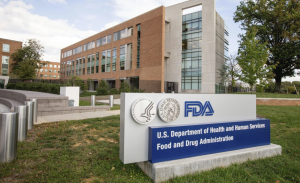
For companies operating in FDA-regulated industries—such as pharmaceuticals, medical devices, and biotechnology—FDA inspections are an inevitable and crucial part of maintaining compliance. Understanding the inspection process and preparing adequately can make a significant difference in ensuring a smooth experience and maintaining compliance with FDA regulations.


Why Does the FDA Conduct Inspections?

The FDA (Food and Drug Administration) conducts inspections to ensure that companies manufacture high quality products and comply with federal regulations regarding the safety, efficacy, quality and labeling of their products. Inspections serve to verify that manufacturing facilities follow Good Manufacturing Practices (GMPs), adhere to safety guidelines, and produce products that meet established standards. The legal authority for inspections is outlined in the Federal Food, Drug, and Cosmetic Act (FD&C Act) 21 U.S.C. §374.
 

Types of FDA Inspections

FDA inspections can fall into several categories, including:

  1. Pre-Approval Inspections (PAI): Conducted before the FDA grants approval for a new product. These inspections verify the accuracy of the information submitted in regulatory applications (21 CFR Part 314.125 for drugs, 21 CFR Part 814.42 for medical devices).

  2. Routine Surveillance Inspections: Periodic inspections to ensure ongoing compliance with regulations. These can be announced or unannounced (21 CFR Part 820 for medical devices, 21 CFR Part 211 for pharmaceuticals).

  3. For-Cause Inspections: Triggered by a specific concern, such as a complaint, adverse event, or suspected regulatory violation (21 CFR Part 7.3(g) outlines recall classifications based on these inspections).

  4. Compliance Follow-Up Inspections: Conducted to verify corrective actions taken in response to previous inspection findings.


Sampling During Pharma Inspections

To help ensure that high-quality drugs are sold in the U.S., FDA maintains a comprehensive quality surveillance program. A critical function of this program is testing selected drugs in FDA laboratories. This includes testing active pharmaceutical ingredients (APIs). FDA laboratories generally test drugs to standards set by the U.S. Pharmacopeia (USP), an organization that publishes quality monographs for medicines including attributes such as:

  • Identity: is it the right drug as indicated on the label?
  • Assay: how much drug is there and is it consistent with the labeled amount?
  • Impurities: are impurities within established specifications?
  • Dissolution: does the active ingredient dissolve out of the dosage unit so that the drug is available for the body to absorb?

FDA quality surveillance program includes multiple tools that complement sampling and testing. These tools include sampling assignment as a result of inspections, evaluation of post-market quality reports, signal detection, and data analysis.


What Happens During an FDA Inspection?

While each inspection may vary slightly depending on the industry and facility type, most follow a structured process:

  1. Notice of Inspection: The FDA may or may not provide advance notice of an inspection. When notified, companies should quickly organize relevant personnel and documentation (FDA Form 482 – Notice of Inspection).

  2. Opening Meeting: The FDA investigator(s) will present their credentials and explain the purpose and scope of the inspection.

  3. Facility Walkthrough: Inspectors tour the facility, observe operations, and assess compliance with regulatory requirements.

  4. Document and Record Review: The FDA will request to review various documents, such as standard operating procedures (SOPs), batch records, testing, employee training records, deviation reports, verify data integrity, ALCOA and (21 CFR Part 11 for electronic records and signatures).

  5. Interviews: Inspectors may interview employees at various levels to gauge their understanding of compliance requirements and daily operations.

  6. Observations and Notations: Any potential violations or concerns are noted, typically recorded on FDA Form 483 and issued at the close of an inspection.

  7. Closing Meeting: The inspector provides preliminary feedback and discusses any observations that may require corrective actions.


How to Prepare for an FDA Inspection

  1. Maintain a State of Readiness: Always operate as if an inspection could occur at any time.

  2. Train Employees: Ensure that staff members understand regulatory requirements and are prepared to answer questions confidently and accurately.

  3. Conduct Internal Audits: Regular self-inspections can help identify and address potential compliance gaps before an FDA inspection.

  4. Organize Documentation: Maintain well-organized, readily accessible records to streamline the document review process.

  5. Establish an Inspection Plan: Have a clear strategy in place, including designated personnel to guide inspectors, manage documentation requests, and address findings promptly.


Post-Inspection Actions

After an FDA inspection, the company may receive an FDA Form 483 if compliance issues were noted. Addressing these findings promptly through corrective and preventive actions (CAPAs) is crucial to demonstrating commitment to compliance. In some cases, the FDA may issue a Warning Letter (21 CFR Part 7.3) if significant violations are found, which requires a more formal response and resolution.


Conclusion

An FDA inspection is a critical event that can impact a company’s ability to operate and bring products to market. Proper preparation, adherence to regulatory standards, and a proactive compliance culture can help companies navigate inspections successfully. By staying informed and ready, businesses can not only pass inspections but also strengthen their overall compliance programs and ensure public safety. 


Are you prepared for an inspection at your facility? Regulatory Compliance Associates® (RCA) can help your team prepare for inspections, manage inspections or help remediate any adverse findings once the inspection is complete. From developing a training program that suits your professional needs, company goals, and preferred learning style. To working with your leadership to create a response strategy, we have you covered.


About RCA’s Compliance Assurance Services

Increasingly, life science companies are feeling the pressure of greater scrutiny by regulators and responding by developing sustainable compliance strategies. Whether it’s preparing for an audit or developing a response to an FDA finding, Regulatory Compliance Associates® team of compliance consultants can help. Our business consultant Experts are internationally known in the regulatory compliance consulting industry.


The regulations process surrounding life science companies can be tricky for even the most experienced compliance veteran. If you’re consistently unable to comply with regulations, any notified body can deliver devastating consequences for your business. At RCA®, we offer the management consulting resources necessary to guide you in regulatory compliance.


Follow the links below to learn more about our compliance assurance services in Pharmaceuticals and Medical Devices. 


Pharmaceuticals

Medical Device


To begin the Regulatory Compliance Associates scoping process today, please enter your information in the blue form below and click the submit button at the bottom of the webpage. You may also email us at [email protected].