




















In this episode of RCA Radio, host Brandon Miller is joined by RCA experts Anita Michael and Arie Anahory for a deep dive into the evolving world of compounding pharmacies. Together, they explore the critical role compounders play in personalized medicine, their differences from traditional pharmaceutical manufacturers, and the increasing regulatory scrutiny they face—especially 503B outsourcing facilities.
The discussion covers:
- The origins and types of compounding pharmacies (503A vs. 503B)
- Regulatory challenges post-New England Compounding Center crisis
- Key compliance hurdles including aseptic processing and FDA inspections
- Practical advice for both new and established compounders to stay compliant
Whether you’re entering the compounding space or navigating the latest compliance expectations, this episode offers timely insights and actionable guidance.
Background
In the highly regulated pharmaceutical industry, compliance with FDA regulations is paramount to ensuring product safety and overall quality. When a large pharmaceutical company received a Form FDA 483 and warning letter across multiple of its manufacturing sites, it faced significant operational, quality, and reputational risks. The warning letter cited systemic deficiencies in key quality systems, including environmental monitoring, batch record review, corrective and preventive action (CAPA), Investigations, validation, and shop floor quality.
Recognizing the urgency and complexity of the situation, the company engaged RCA (Regulatory Compliance Associates) to guide its forward efforts for holistic corrective actions across all their sites. What began as a small-scale audit by a former FDA executive after the firm’s initial 483, quickly evolved into a comprehensive, multi-year compliance project involving dozens of RCA consultants at its peak across the various sites.
RCA’s approach emphasized indoctrinating a more robust quality culture, ensuring regulatory compliance, and implementing sustainable process improvements in order to bring the company back into (and strive to exceed) CGMP compliance as efficiently and effectively as possible.
Phase 1: Initial Assessment and Strategic Planning
The engagement began with an RCA ex-FDA executive and team conducting an in-depth audit at one of the impacted sites. This assessment focused on identifying the root causes of non-compliance and evaluating the company’s existing quality systems against FDA’s Current Good Manufacturing Practices (CGMPs).
The initial audit revealed several key systematic deficiencies at the site, which extended to the other sites within the organization. There were issues with the Batch Record Review process, resulting in inconsistencies in product documentation. Additionally, the CAPA (Corrective and Preventive Actions) program showed inadequacies, as corrective actions were either ineffective or not properly followed through. Investigations for environmental monitoring and other issues were also found to be weak, which contributed to recurring quality issues that were not fully addressed. Lastly, gaps in shop floor oversight were identified, which increased compliance risks during manufacturing operations.
Based on the findings from the original scope of work, the RCA expert developed an initial compliance improvement strategy and roadmap. This outlined the necessary interim controls and long-term sustainable system improvements. The plan was designed to prioritize high-risk compliance gaps while maintaining operational continuity.
Phase 2: Deployment of Interim Controls and Scaled Expansion by building an RCA-Led Compliance Team
With FDA scrutiny at other sites increasing, the company agreed to expand RCA’s role. RCA deployed a team of consultants with expertise in compliance, quality assurance, microbiology, and validation. Over the following two years, RCA and the firm had to scale up to the total number of consultants, embedding personnel at multiple sites to oversee the execution of interim controls and systemic improvements.
Interim Controls for Compliance Stabilization.
These included a comprehensive overhaul of the Batch Record Review process, where RCA trained company personnel on proper documentation techniques, Good Documentation Practices (GDPs), data integrity, investigation rigor, and introduced a real-time review process. In addition, the company and consultant team implemented standardized templates and checklists to ensure uniform documentation through document control systems in alignment with the CGMPS. In strengthening the investigation and CAPA system, RCA consultants helped to establish updated procedures. This included developing a solid escalation process to ensure critical issues were elevated to the executive level of the firm and assessed at all their manufacturing sites. In tandem, the collaborative firm and consultant team worked to ensure investigations and their resultant CAPAs were risk-based, data-driven and effective. They also introduced CAPA effectiveness checks to ensure the implemented CAPAs worked as designed and corrected the problem(s), as well as prevented recurrence.
Specific to investigations, RCA helped define clear workflows for documenting and addressing such issues, helped to implement a root cause analysis framework based on industry best practices, and established cross-functional teams including Quality, Manufacturing, and Quality Control to foster collaboration and improve the rigor of their investigations and CAPAs. RCA also led an initiative to help the firm mitigate a large investigations backlog.
To aid in enhancing shop floor quality oversight, RCA deployed quality experts on-site to provide real-time guidance to operations and quality staff during real-time manufacturing operations. This collaborative coaching proved to help strengthen their shop floor operations. It also helped improve the company’s overall quality culture by helping to educate personnel on the “why” things need to be done a certain way, through informal coaching, as well as formal training. It also helped reinforce CGMP compliance at all levels – from the line-level associates to the supervisors.
An ex-FDA executive and a team also collaborated closely with company executives on their FDA correspondence throughout the entirety of the project. This involved helping to draft comprehensive FDA response letters outlining the company’s remediation efforts, conducting periodic progress reviews to ensure commitments to the FDA were met, and preparing the company for follow-up FDA inspections. By maintaining direct and transparent communication with the FDA, RCA helped the firm demonstrate their commitment to quality, compliance, and continuous improvement.
Phase 3: Culture Shift and Sustainable Compliance
As interim controls stabilized and the firm improved the quality of their operations, RCA shifted focus to long-term compliance sustainability. The goal here was to impart practices which would ensure the company maintained their compliance posture by further embedding quality-centric behaviors across each of the site’s operations and quality units. This, in turn, helped to further bolster their quality culture and led to further reducing the risk of non-compliance and potential future regulatory issues.
To institutionalize best practices, RCA worked closely with executive leadership to integrate compliance objectives into the company’s current quality culture. Standard Operating Procedures (SOPs) and governance structures were developed to maintain inspection readiness, while RCA conducted training to empower internal personnel to independently sustain improvements.
In terms of monitoring and continuous improvement, RCA helped the firm to implement improved quality metrics and compliance dashboards. The dashboards helped provide executives with real-time visibility into the performance of the quality system and progress of the remediation. The result of this effort was the establishment of a strong quality culture helping to ensure implemented improvements remained effective over time.
Further Operational Efficiency Gains:
After RCA worked collaboratively with the company to streamline and improve the batch record review process, the firm was able to reduce review cycle times and improve overall right-first-time reviews. CAPA closure rates also improved, with all tasked corrective actions being completed on a more accelerated schedule, but with better depth, rigor, and overall effectiveness.
Cultural Transformation:
Employee engagement in quality initiatives saw a notable increase, shifting the mindset from compliance and quality being an obligation to it being viewed as a core value. Leadership also adopted a more proactive stance on CGMP expectations, positioning the company for long-term success and growth.
Results
RCA’s involvement in this large-scale compliance remediation effort demonstrates how a collaborative approach, combined with expert guidance, strategic interim controls, and a strong focus on quality culture, can transform an organization facing significant regulatory challenges. By deploying a team of experienced consultants, including former FDA executives who provided regulatory oversight, RCA successfully guided the company through a complex compliance journey. This support helped restore operational integrity and reinforced a sustainable quality mindset. This case study highlights RCA’s ability to respond rapidly, scale strategically, and implement long-term quality improvements that position clients for continued compliance and success in the pharmaceutical industry.
For companies operating in FDA-regulated industries—such as pharmaceuticals, medical devices, and biotechnology—FDA inspections are an inevitable and crucial part of maintaining compliance. Understanding the inspection process and preparing adequately can make a significant difference in ensuring a smooth experience and maintaining compliance with FDA regulations.
Why Does the FDA Conduct Inspections?
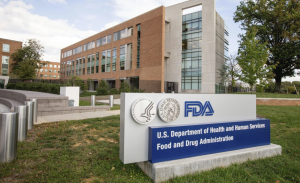 The FDA (Food and Drug Administration) conducts inspections to ensure that companies manufacture high quality products and comply with federal regulations regarding the safety, efficacy, quality and labeling of their products. Inspections serve to verify that manufacturing facilities follow Good Manufacturing Practices (GMPs), adhere to safety guidelines, and produce products that meet established standards. The legal authority for inspections is outlined in the Federal Food, Drug, and Cosmetic Act (FD&C Act) 21 U.S.C. §374.
Types of FDA Inspections
FDA inspections can fall into several categories, including:
-
Pre-Approval Inspections (PAI): Conducted before the FDA grants approval for a new product. These inspections verify the accuracy of the information submitted in regulatory applications (21 CFR Part 314.125 for drugs, 21 CFR Part 814.42 for medical devices).
-
Routine Surveillance Inspections: Periodic inspections to ensure ongoing compliance with regulations. These can be announced or unannounced (21 CFR Part 820 for medical devices, 21 CFR Part 211 for pharmaceuticals).
-
For-Cause Inspections: Triggered by a specific concern, such as a complaint, adverse event, or suspected regulatory violation (21 CFR Part 7.3(g) outlines recall classifications based on these inspections).
-
Compliance Follow-Up Inspections: Conducted to verify corrective actions taken in response to previous inspection findings.
Sampling During Pharma Inspections
To help ensure that high-quality drugs are sold in the U.S., FDA maintains a comprehensive quality surveillance program. A critical function of this program is testing selected drugs in FDA laboratories. This includes testing active pharmaceutical ingredients (APIs). FDA laboratories generally test drugs to standards set by the U.S. Pharmacopeia (USP), an organization that publishes quality monographs for medicines including attributes such as:
- Identity: is it the right drug as indicated on the label?
- Assay: how much drug is there and is it consistent with the labeled amount?
- Impurities: are impurities within established specifications?
- Dissolution: does the active ingredient dissolve out of the dosage unit so that the drug is available for the body to absorb?
FDA quality surveillance program includes multiple tools that complement sampling and testing. These tools include sampling assignment as a result of inspections, evaluation of post-market quality reports, signal detection, and data analysis.
What Happens During an FDA Inspection?
While each inspection may vary slightly depending on the industry and facility type, most follow a structured process:
-
Notice of Inspection: The FDA may or may not provide advance notice of an inspection. When notified, companies should quickly organize relevant personnel and documentation (FDA Form 482 – Notice of Inspection).
-
Opening Meeting: The FDA investigator(s) will present their credentials and explain the purpose and scope of the inspection.
-
Facility Walkthrough: Inspectors tour the facility, observe operations, and assess compliance with regulatory requirements.
-
Document and Record Review: The FDA will request to review various documents, such as standard operating procedures (SOPs), batch records, testing, employee training records, deviation reports, verify data integrity, ALCOA and (21 CFR Part 11 for electronic records and signatures).
-
Interviews: Inspectors may interview employees at various levels to gauge their understanding of compliance requirements and daily operations.
-
Observations and Notations: Any potential violations or concerns are noted, typically recorded on FDA Form 483 and issued at the close of an inspection.
-
Closing Meeting: The inspector provides preliminary feedback and discusses any observations that may require corrective actions.
How to Prepare for an FDA Inspection
-
Maintain a State of Readiness: Always operate as if an inspection could occur at any time.
-
Train Employees: Ensure that staff members understand regulatory requirements and are prepared to answer questions confidently and accurately.
-
Conduct Internal Audits: Regular self-inspections can help identify and address potential compliance gaps before an FDA inspection.
-
Organize Documentation: Maintain well-organized, readily accessible records to streamline the document review process.
-
Establish an Inspection Plan: Have a clear strategy in place, including designated personnel to guide inspectors, manage documentation requests, and address findings promptly.
Post-Inspection Actions
After an FDA inspection, the company may receive an FDA Form 483 if compliance issues were noted. Addressing these findings promptly through corrective and preventive actions (CAPAs) is crucial to demonstrating commitment to compliance. In some cases, the FDA may issue a Warning Letter (21 CFR Part 7.3) if significant violations are found, which requires a more formal response and resolution.
Conclusion
An FDA inspection is a critical event that can impact a company’s ability to operate and bring products to market. Proper preparation, adherence to regulatory standards, and a proactive compliance culture can help companies navigate inspections successfully. By staying informed and ready, businesses can not only pass inspections but also strengthen their overall compliance programs and ensure public safety.
Are you prepared for an inspection at your facility? Regulatory Compliance Associates® (RCA) can help your team prepare for inspections, manage inspections or help remediate any adverse findings once the inspection is complete. From developing a training program that suits your professional needs, company goals, and preferred learning style. To working with your leadership to create a response strategy, we have you covered.