

















Author: Brandon Miller

Click to watch Regulatory Compliance Associates medical device consultant, Dr. Stephen Coulter, discuss the common tools & processes used during product development. Early stages of new product development include analyzing user needs & translating design benefits into long-term patient efficacy.


Developing an original product idea is difficult but many common tools & processes are consistently used. The early stages of product development include analyzing user needs and how those translate into design inputs.


Product Development Strategy


Ideation and product development life cycle research can help you identify user needs. Additionally, increasing the quality of an existing product is often a successful new product development strategy. Your solution doesn’t have to be a radically new idea.


Does it have a substitute product that can take market share? Or, can you combine the features of multiple products during the product design process to make a combination product that patients prefer more? Could a product design consultant help answer these questions & provide knowledge transfer?


Product Development Cycle


Start by asking your cross-functional team an initial question: “What do we need to change to achieve success during the product development cycle?”. Product development strategy includes modifying existing systems & processes to accelerate efficiency. Refine your model or process based on the unique types of product solutions in your pipeline.


Product Research


Being able to understand & explain why your solution addresses a user needs statement is inherent to launch sales success.  Interactive activities can be useful for improving creative conversation during market development strategy sessions. Further, voice of the customer (VOC) research consistently helps target the patient population in mind. 


Finally, using VOC to identify early adopter audiences & the audience’s most important needs can increase early interest in your solution. Begin the sales process by determining core messaging ahead of the launch ramp-up based on device claims & if the regulatory submission is approved.


Market Development Strategy


User needs are the foundation of any successful market development strategy. Yet, being able to commercialize a new solution based on user needs using a team experiencing process problems is never an easy task. It requires the Engineering Team & Operations Team at the listening table earlier in the process than later. 


Product Design and Development


A critical to quality objective early in the new product development process is removing everything but the essentials. Research your users needs to create design inputs for a product that patients both need & generates revenue.


Product Planning Process


After a business case is determined in the waterfall method, the product planning process begins cross functionally to validate product ideas via new product development research. What user needs will accelerate a successful product launch the fastest?


Innovative product design means addressing honest opinions from your target audience to validate your medical device solves a problem. The product development management team must be convinced the product can win in the commercial marketplace sooner rather than later.


Software Product Design


Success during the launch of a software as a medical device is often found at the heart of the product development plan. Any new product design must incorporate value added for the audience in one way, shape or form. This can include lean product design as some of the most effective software in the industry is not complicated.


Software as a Medical Device


Consider the regulatory differences between a tangible product and a technology product very carefully. For example, Software as a Medical Device (SaMD) has changed the marketplace by increasing both clinical research success & primary care delivery. Include process improvement sessions during internal meetings where a collective group deciphers what the user need statements mean to their team. 


Agile Product Development


The vision for development begins with a minimum viable product, or MVP, during early software conceptualization & development; what is the business case of commercialization? How do we learn faster while making real time efficiency changes?  


Digital Product Development


Product development teams must answer several questions before undertaking product design. Further, one focal ask is are successful processes already in place for medical product development.


Do you have a RACI chart to show who is responsible, accountable, considered, and informed? Finally, a clear cross-functional understanding of timelines & milestones can help guide expectations during MVP product development, which can be stressful based on the speed of common work.


MVP Agile


MVP (Minimum Viable Product) a widely accepted concept in software development in digital product development. However, our medical product design discussion will take a different direction – what is the regulatory affairs process?


A project management software development team should deliver a safe, efficacious solution with the objective of delivering patient value. Define your value through a regulatory strategy based on device claims, clinical evidence, and how both help the patient population.


Regulatory Compliance


Software as a medical device involves regulatory compliance based on multiple, widely accepted global standards.


  • This includes:
    • ISO 13485
    • IEC 62304
    • IEC 62366
    • ISO 14791


The product development engineering team is responsible for the software process. Any prototype development assistance should begin with a regulatory compliance perspective of claims and predicate devices.


Prototype predicate concepts begin with identifying the current risk class & why use cases help validate your proposed risk class during regulatory submission. Finally, consider younger product developers who may have never been through regulatory approval in their career. FDA readiness training can be a powerful tool that increases marketing approval & how to carefully identify and isolate risk hazards.


Regulatory Pathway 


Planning the build for a product requires a regulatory pathway that includes risk management considerations based on the risk class. Create as much detail as possible during this prototyping and design inputs phase of NPD.


Product development companies, like Regulatory Compliance Associates, can help identify the correct predicate device based on a risk gap analysis.  Diagrams should include material ingredients that need to be sourced to create the product. This can help you determine the risk category of the product (e.g. patient daily use, HCP specialty use, etc.) and corresponding patient hazards.


To begin the Regulatory Compliance Associates scoping process today, please enter your information in the blue form below and click the submit button at the bottom of the webpage. You may also email us at [email protected].

Click now to listen to RCA’s Director of Regulatory Affairs, Jordan Elder, in this RCA Radio audio update:


The European Parliament recently voted for a timeline extension to MDR regulation, including an extended timeline for medical device regulatory submission. The 537-3 vote by members of the official body provides a final approval to extend MDR deadlines for compliance. Included in the legislation is revisions to regulatory submission rules for certifying medical devices. Additionally, the timeline includes new dates for both Regulation (EU) 2017/745 (MDR) and Regulation (EU) 2017/746 (IVDR).


Regulated Companies


European officials extended the MDR timeline to include legacy devices with existing certificates under the MDD to stay on the market until 2024. Industry executives have suspected for some time that the EU medical device backlog of submissions would lead to this type of scenario. Equally important, many EU health ministers voiced their opinion during a December 2022 session medical device shortages would occur without a MDR timeline extension.


MDR Timeline


Manufacturers now have until 2027 or 2028 to have medical devices certified and approved under MDR guidelines. The timeline includes new dates for both high-risk medical device products and low risk medical devices. For medical devices covered by a certificate or a declaration of conformity issued before 26 May 2021, the transition period to the new rules is extended from 26 May 2024 to:


  • 31 December 2027 for Class III and IIb;
  • 31 December 2028 for Class IIa and I.
  • 26 May 2026 for Class III implantable custom-made devices


The original “sell-off’ date requirement that was required under the MDR has been removed


Need help with your MDR or IVDR transition? Talk to our Experts →


IVDR Timeline


Meanwhile, the EU Commission has previously recommended the IVDR application date be extended due to the EU notified body bottleneck.


  • General EU MDR Class 1 Low-risk devices that are non-measuring, non-sterile, non-reusable, non-surgical, and that do not require review from a notified body will still go into effect in 2022.
  • Non-sterile Class A and B Devices (low risk) – May 26, 2022
  • Class D (Highest Risk) – May 26, 2025
  • Class C (Medium Risk) – May 26, 2026
  • Sterile Class A and B Devices (low risk) – May 26, 2027


Industry Reaction


Life science media outlets have reported extensively on the change since it was proposed at the meeting.


Stella Kyriakides, the European health commissioner, first proposed postponing the current MDR deadline dates during the EPSCO council meeting in Brussels. The health commissioner projected around 23,000 devices and 1,500 IVDs are currently approved and certified under MDD, but have not yet transitioned to the new MDR regulation. These medical devices are likely to expire in 2024 and 2025,


“The transition to the new rules has been slower than we anticipated,” said Kyriakides. “The pandemic, shortages of raw materials caused by the Russian invasion against Ukraine and low notified body capacity has put a strain on market readiness.”


Medical Device Manufacturers


Additionally, many unique viewpoints have emerged about the current landscape and the impact of recertification.


“If the three-year deadline is truly unattainable, these extensions could prevent devices that are perfectly safe for use from being taken off the market because they were unable to get recertified in time,” said Alexandra Murdoch, a medical analyst at GlobalData.


Murdoch added both medical device manufacturers and suppliers must now deliver MDR regulatory documentation for market approval, including data about materials used in medical device manufacturing.


Medical Device Safety


Both Pinto & Rocha have documented the MDR proposal concerns that “only medical devices considered safe will benefit from the extension”. This includes medical device manufacturers that have begun the process of submission and certification under the MDR.


Further, the Commission has recognized the ongoing need for patient safety and proposed a 2023 pilot project for medical device manufacturers. For example, expert panels to advise manufacturers with qualified scientific advice about devices that help treat rare diseases.


Medical Device Shortage


Ireland’s minister of health, Stephen Donnelly, supported the change based on COVID-19 procurement and preventing future medical device shortage scenarios.


“Participation in the EU COVID-19 vaccine strategy has allowed us to conduct the largest immunization program in our country’s history, saving countless lives and enabling the resumption of normal social and economic life.” said Donnelly.


“This measure needs to be adopted and take effect without delay to ensure that the devices our citizens and health systems rely on remain available.”


Cybersecurity


By contrast, it is still unknown how different types of EU legislation will regulate connected medical devices. There is concern across the industry about which legislation may take precedence and the level of postmarket surveillance data needed.


The European Commission (EC) published a proposal for a Cyber Resilience Act (“CRA”) to strengthen cybersecurity across medical device interoperability. Both Wright & Wenzel have documented this legislation does not consider MDR to impose as many obligations on medical device manufacturers. Further, the commentary suggests the EC may not require as much documentation about unknown vulnerabilities are not present for medical devices.


To begin the Regulatory Compliance Associates scoping process today, please enter your information in the blue form below and click the submit button at the bottom of the webpage. You may also email us at [email protected].


Among the emerging topics of interest to the life science industry, quality culture, quality metrics, and data integrity are in the spotlight due to changes from the COVID-19 pandemic. Regulatory authorities strive to stay on top of the latest challenges in quality assurance and compliance facing medical device and pharmaceutical firms.


Regulatory Compliance Associates® understands that data integrity is important for keeping and maintaining accurate data to protect your data’s trustworthiness. This ensures everything else built on that data is trustworthy as well. We’ll explore why quality culture and data integrity are important and what permanent changes have occurred in the wake of the pandemic.


Need help improving your Quality Culture? Contact Us Now →


How Quality Culture Is Linked to Data Integrity 


It’s essential to understand the ways quality culture is linked to data integrity. Regulators have delineated a clear link between the veracity of data generated by a company and its culture. Future regulatory audits to determine an organization’s health may focus on obtaining information about the company’s quality culture and subsequent data. It’s vital to for companies to acknowledge this relationship so they can identify vulnerabilities, perform necessary risk assessments and remediate risks before an inspection. 


An Increased Emphasis on Data Integrity


It’s easier to keep a vigilant eye on data when everyone works from the same locations. However, with more people working from home, maintaining quality culture practices to control data integrity is imperative and challenging.  The Food and Drug Administration (FDA) is  drawing parallels between compliance with data integrity regulations and an organization’s overall culture.


 The FDA wants companies to maintain a quality culture that is integrated throughout the organization. The more developed and established an organization’s quality culture, the more reliable the data.


Ensuring data integrity compliance can benefit a company in the following ways:


  • Fewer supply chain interruptions
  • Less rework needed
  • Reduced financial risk
  • Increased compliance
  • Improved operational performance and productivity


Transitions to Electronic Systems


As a result of the pandemic, more companies are switching from paper-based to electronic systems. This migration to electronic data systems poses certain challenges to any organization.


Companies need to have the necessary resources and technical expertise to make sure the electronic systems maintain data integrity concepts. Organizations must be able to provide proof of their compliance supported by an audit trail of their work.


Auditing Process Changes Resulting from the COVID-19 Pandemic 


The auditing process may change in many ways as a result of the pandemic:


  • Virtual audits are likely to become more common.
  • Companies will need to ensure systems are secure and files are organized.
  • Companies will have to maintain data integrity in their electronic systems so they can use those systems to transfer data to regulatory auditors.


 

To begin the Regulatory Compliance Associates scoping process today, please enter your information in the blue form below and click the submit button at the bottom of the webpage. You may also email us at [email protected].

fda guidanceThe pharmaceutical and biologics industry recently received updated FDA guidance on the use of Generally Accepted Scientific Knowledge (GASK) in regulatory submissions.


The FDA guidance provides new examples of when it is applicable to leverage GASK data to meet safety requirements required in a new drug application. Clinical information in the drug discovery data that supports the nonclinical safety of a drug can contain GASK citations. Additionally, the citations would be based on existing clinical studies that have been validated by FDA in approved products on the market.


What is GASK?


Generally Accepted Scientific Knowledge refers to information and methods widely considered as accepted by life science industry experts. It can include established scientific principles, published papers, and best practices that have passed the regulatory scrutiny of drug development. GASK is most often utilized during the evaluation of safety and efficacy data of regulated products.


FDA Approval


The FDA guidance elaborates on the process of FDA regulators and how new drug applications are evaluated. Further, the FDA often requires life science companies to provide a significant amount of regulatory data to support safety and efficacy claims.


This regulatory clinical research often comes from clinical trials, preclinical studies, and other types of scientific data sources. However, in scenarios where there may be limited clinical trial data conducted, GASK can be used to provide supporting documentation for regulatory compliance. 


Drug Development


Life science companies are required to offer nonclinical information to support regulatory approval of a New Drug Application (NDA) or Biologics License Application (BLA). Additionally, the FDA guidance elaborates on how nonclinical information helps the Agency focus on important matters, such as:


  • Identifying pharmacological effects, including the mechanism of action of the drug in vitro and/or in vivo
  • Identifying absorption, distribution, metabolism, and excretion of the drug in vitro and/or in animals
  • Identifying possible consequences of exposure duration (e.g., chronic)
  • Identifying risks for special populations (e.g., pediatrics)


Regulation Examples


The FDA guidance goes on to describe unique conditions in which sponsors have successfully used GASK in their product development program. Each sponsor cited these GASK resources to meet FDA’s regulatory approval requirements instead of conducting certain nonclinical studies:


  • Products containing a substance that naturally occurs in the body. Sponsors submitted GASK regarding that substance and the known effects on biological processes.
  • Demonstrated drug impact on a particular biological pathway. Sponsors submitted GASK regarding the impact and FDA regulators concluded specific nonclinical studies were not necessary to support drug approval and drug labeling.


Active Ingredient


The FDA guidance continues by listing examples of substances that are typically present in a healthy human body. For example, endogenous substances where the drug replaces a substance that should naturally be present but, for pathological reasons, a patient may lack sufficient amounts. The FDA approved drug may enable and help accelerate the proper functioning of the human body.


Pharmacological


Additionally, a key driver of using GASK for FDA approval is the patient who has been prescribed a drug & the pharmacological impact experienced. Existing human pharmacokinetic studies and toxicology studies are recommended and may support the approval of the regulatory application. Specifically, regulators wil look to examine if the drug helps increase the level of the endogenous substance to the level of a healthy individual.  


Diet


Further, exogenous substances that are already present in a patient’s diet may help expedite U.S. Food and Drug Administration approval. This scenario includes a patient’s exposure to an unmodified food substance that doesn’t exceed typical levels of dietary exposure when the drug is taken orally. The FDA guidance also states that certain nonclinical studies may be unnecessary based on the relevance of the exogenous substance to the clinical research submitted. 


New Drug Application


If an FDA sponsor utilizes GASK information in their new product application, they must submit justification in the appropriate regulatory submission filing (e.g. BLA submission, 510(k) submission, etc.). The FDA guidance recommends as early as possible in product development to the assigned FDA regulator.


Finally, food and drug regulation feedback would be provided to the sponsor for the proposed regulatory strategy for approval. The FDA submission should incorporate evidence for the use of GASK, including textbook excerpts and/or non-product-specific published literature.


To begin the Regulatory Compliance Associates scoping process today, please enter your information in the blue form below and click the submit button at the bottom of the webpage. You may also email us at [email protected].


In this soundbite from RCA Radio, Dr. Helin Raagel and Dr. Matthew Jorgensen from Nelson Labs explain why the Cytotoxicity test during a biocompatibility evaluation is the most important test you will run.


cytotoxicity

What is Cytotoxicity? – Cytotoxicity is the degree to which a substance can cause damage to a cell. A substance or process that causes cell damage or death is referred to as cytotoxic, “cyto” meaning cell and “toxic” meaning poison. (Will the device kill or harm the cells it comes in contact with?)


There are three reasons why the cytotoxicity test is the most important test you run during a biocompatibility evaluation.

  1. The test can be run quickly.
  2. It is the most cost-effective test in an evaluation.
  3. Most evaluation concerns come from the cytotoxicity results.


Listen to the full episode “What is Cytotoxicity?” now!


To begin the Regulatory Compliance Associates scoping process today, please enter your information in the blue form below and click the submit button at the bottom of the webpage. You may also email us at [email protected].

Click now to listen to RCA’s Susan Schniepp and Steven Lynn, in this RCA Radio audio update:


Personalized Medicine


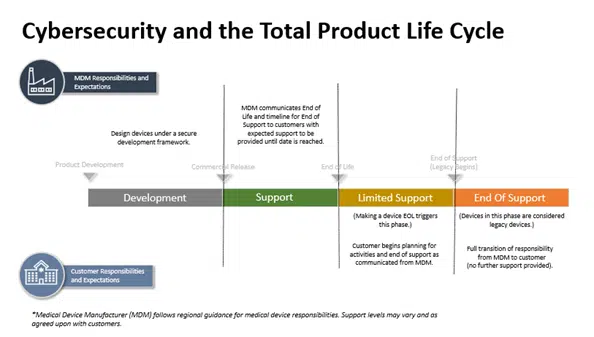
Software as medical device (SaMD) continues to emerge in consumer products, including diabetes and sleep management. When it comes to FDA cybersecurity, every device developer knows the ecosystem is more likely to be wifi-connected than ever before. Cyber awareness involves using design controls to consider a variety of consumer SaMD applications & how they connect to smartphone operating systems and open network solutions. By scaling efficacy technology, or personalized medicine, developers are addressing a rapidly growing segment of healthcare treatment.  


FDA Cybersecurity


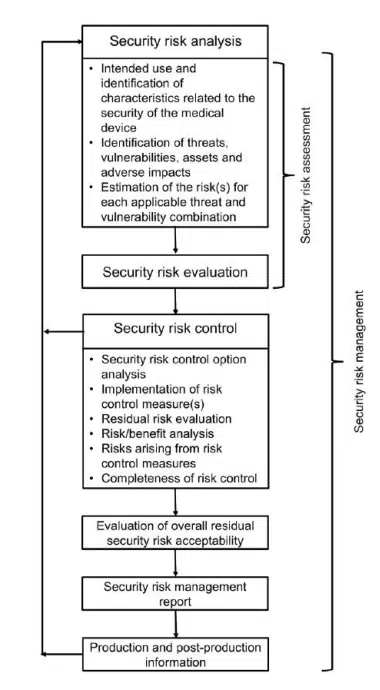
How can regulatory compliance help protect consumers from hackers when forwarding patient info between sources is involved? During a risk assessment, a SaMD consultant might end up looking at every step between the health system provider and convenience of not visiting a clinical environment. Further, as industry leaders who understand how technology can increase the speed of personalized medicine to market, what types of cyber awareness becomes more critical to protecting patients?


Home Dialysis


One SaMD cybersecurity focus Schniepp has already identified is in the Home Dialysis industry. Medical device manufacturers are continuing to evolve with the demand for smaller prototype devices in general, which may enhance cyber convenience becoming a competitive advantage. However, the commercial cyber threat is permanent and even the largest organizations in the dialysis industry can be a target. 


Combination Products


Lynn agrees & understands that an FDA combination product strategy will continue innovation by means of software and drug delivery. This fundamental mindset change requires extending the definition of “users” of these connected medical devices. It includes patients and HCPs — but also FDA inspection roles needed during during regulatory compliance (e.g. biomedical engineers, IT engineers).


Fixed Dose Combination


Any combination device would include cyber awareness practices between medical devices & connected facilities that demonstrate and prove trust. Do the relationships between healthcare infrastructure increase or decrease exposure to disruption? Further, where could any attack surface breach trust and cause harm to the patent (e.g. disrupting a patient dosing device). Cyber awareness understands that intended use of the device must also address the perspective of an unwanted attacker.


Regulatory Compliance


Lynn & Schniepp both agree on one topic: patient compliance. Any type of medical device software that increases patient adherence during a healthcare routine will be applauded by FDA consultants. FDA SaMD guidance lists the ISO standards and QMS regulations needed for the submission. Accelerating the intended use through increased compliance is a regulatory strategy that can be presented via clinical evidence.